Top AI People to Follow on X/Twitter in 2026
A curated list of the most influential AI researchers, founders, and practitioners to follow on X/Twitter, including Sam Altman, Yann LeCun, Andrej Karpathy, and more.
Staying current in AI requires more than reading papers and blog posts. The fastest signal comes from the people building these systems—researchers sharing preprints before publication, founders announcing product updates in real-time, and engineers posting debugging sessions that reveal how models actually behave in production.
X (formerly Twitter) remains the primary venue for this discourse. The problem is knowing who to follow. The AI space is noisy with hype merchants and grifters. The signal comes from a relatively small group of practitioners who’ve earned credibility through their work.
Here are the accounts worth following, organized by their role in the AI ecosystem.
Quick Reference
| Name | Handle | Role |
|---|---|---|
| Sam Altman | @sama | OpenAI CEO |
| Demis Hassabis | @demishassabis | Google DeepMind CEO |
| Dario Amodei | @DarioAmodei | Anthropic CEO |
| Yann LeCun | @ylecun | Meta AI Chief Scientist |
| Andrej Karpathy | @karpathy | Former Tesla AI Director |
| François Chollet | @fchollet | Keras creator, ARC-AGI |
| Andrew Ng | @AndrewYNg | DeepLearning.AI founder |
| Jim Fan | @DrJimFan | NVIDIA AI Researcher |
| Simon Willison | @simonw | Datasette creator |
| Lex Fridman | @lexfridman | AI Podcast host |
AI Lab Leaders
These are the people running the major AI research labs. Their posts announce model releases, hiring priorities, and strategic direction.
Sam Altman (@sama)
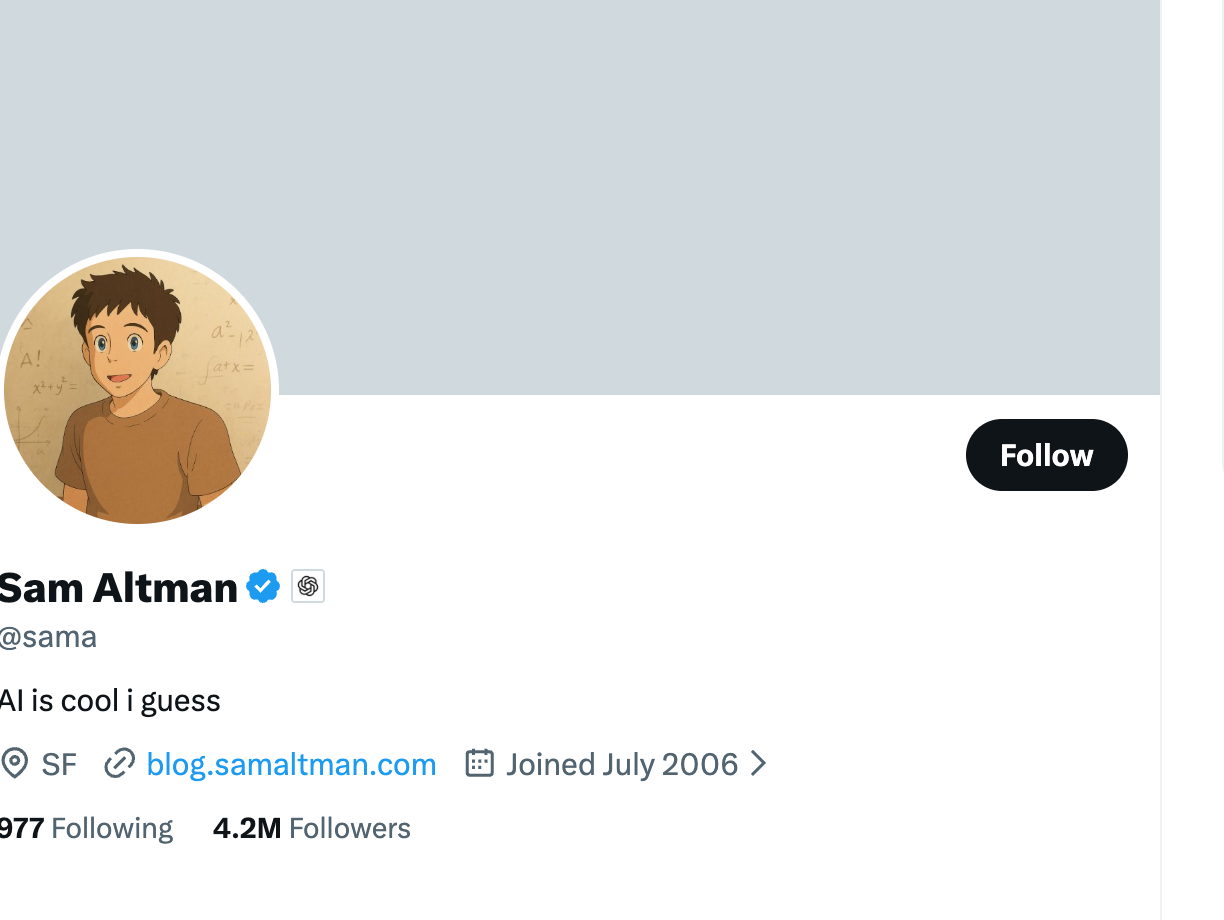
CEO of OpenAI. His posts range from product announcements (GPT releases, API updates) to broader reflections on AGI timelines and AI policy. He’s known for cryptic tweets that spark speculation about upcoming releases. 4.2M followers.
Demis Hassabis (@demishassabis)
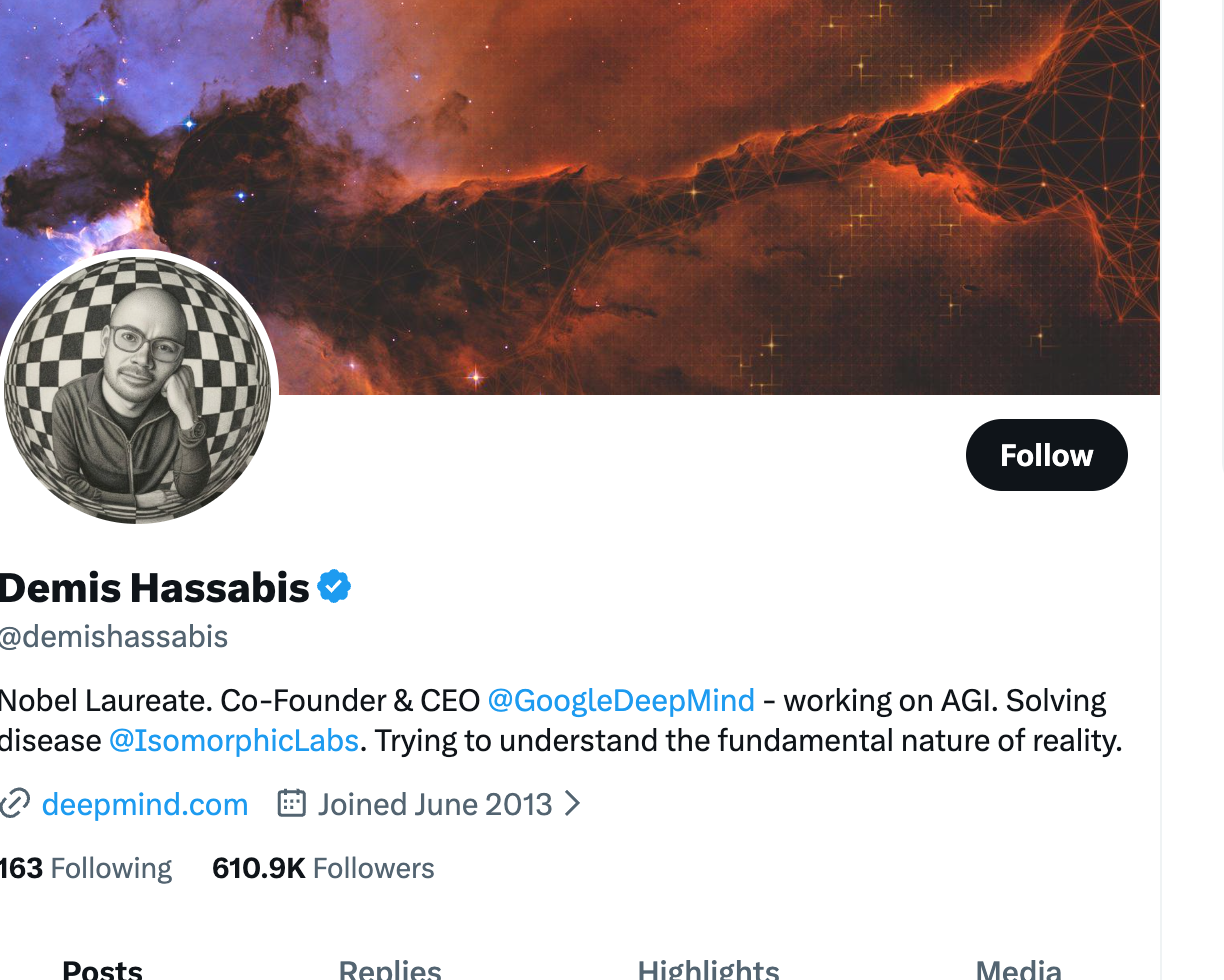
Co-founder and CEO of Google DeepMind. Nobel Laureate for AlphaFold. Before DeepMind, he was a game designer (Theme Park) and neuroscience researcher. His posts cover DeepMind’s research (AlphaFold, Gemini) and occasionally wade into debates about AI capabilities and timelines. 610K followers.
Dario Amodei (@DarioAmodei)
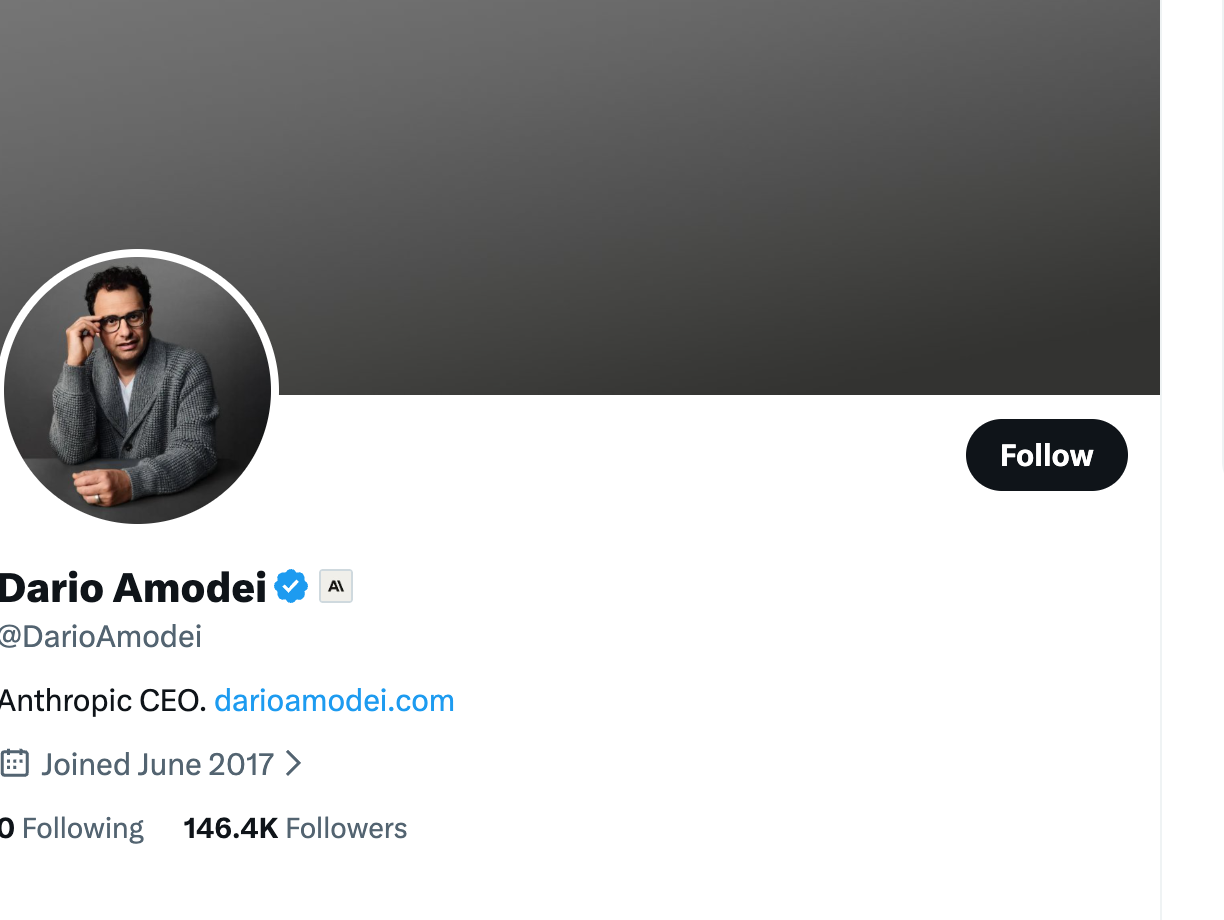
CEO of Anthropic, the company behind Claude. Previously VP of Research at OpenAI. Less active than Altman but posts substantive threads on AI safety, scaling laws, and Anthropic’s research direction.
AI Researchers
The people publishing the papers and building the architectures that power modern AI systems.
Yann LeCun (@ylecun)
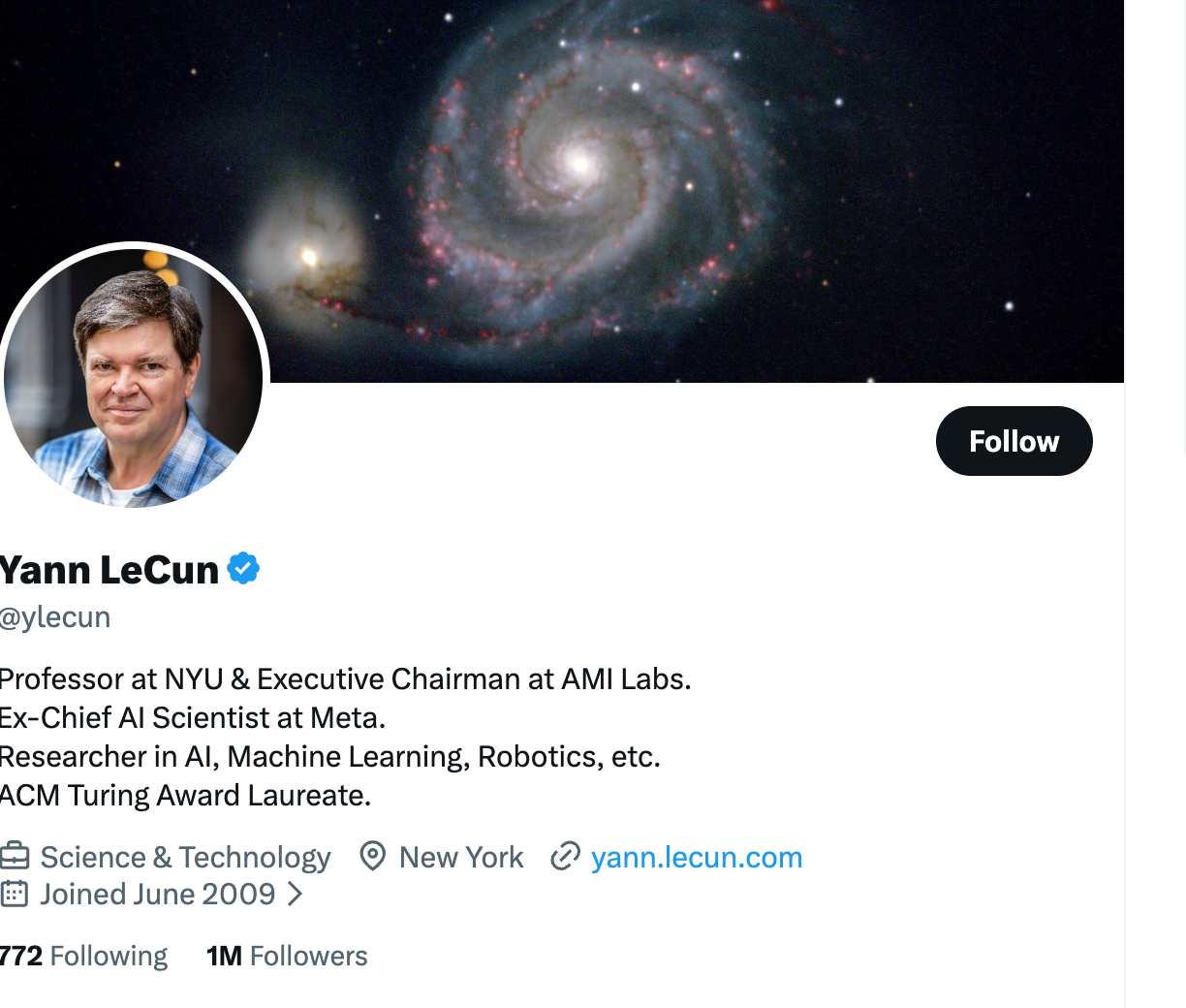
Meta’s Chief AI Scientist, Turing Award laureate, and one of the founding figures of deep learning. He pioneered convolutional neural networks in the 1980s. On X, he’s known for strong opinions—particularly his skepticism about current approaches to AGI and his debates with other researchers about AI capabilities. Follow him for contrarian takes grounded in decades of research experience. 1M followers.
Andrej Karpathy (@karpathy)
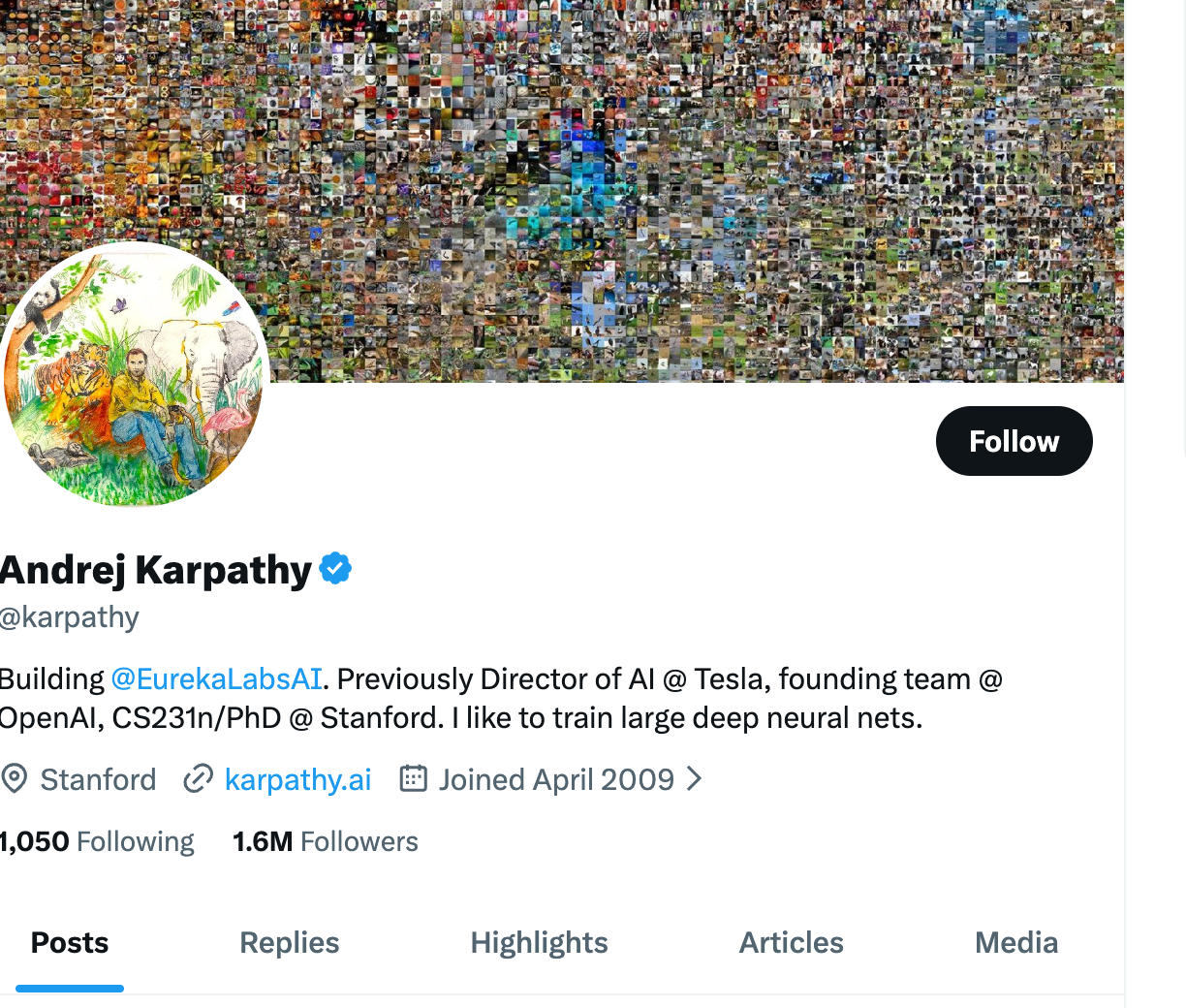
Former Director of AI at Tesla and founding member of OpenAI. Now building Eureka Labs, an AI education company. His posts are educational—he explains complex ML concepts clearly and shares insights from building production AI systems. His YouTube channel and “Neural Networks: Zero to Hero” series are essential resources. 1.6M followers.
François Chollet (@fchollet)
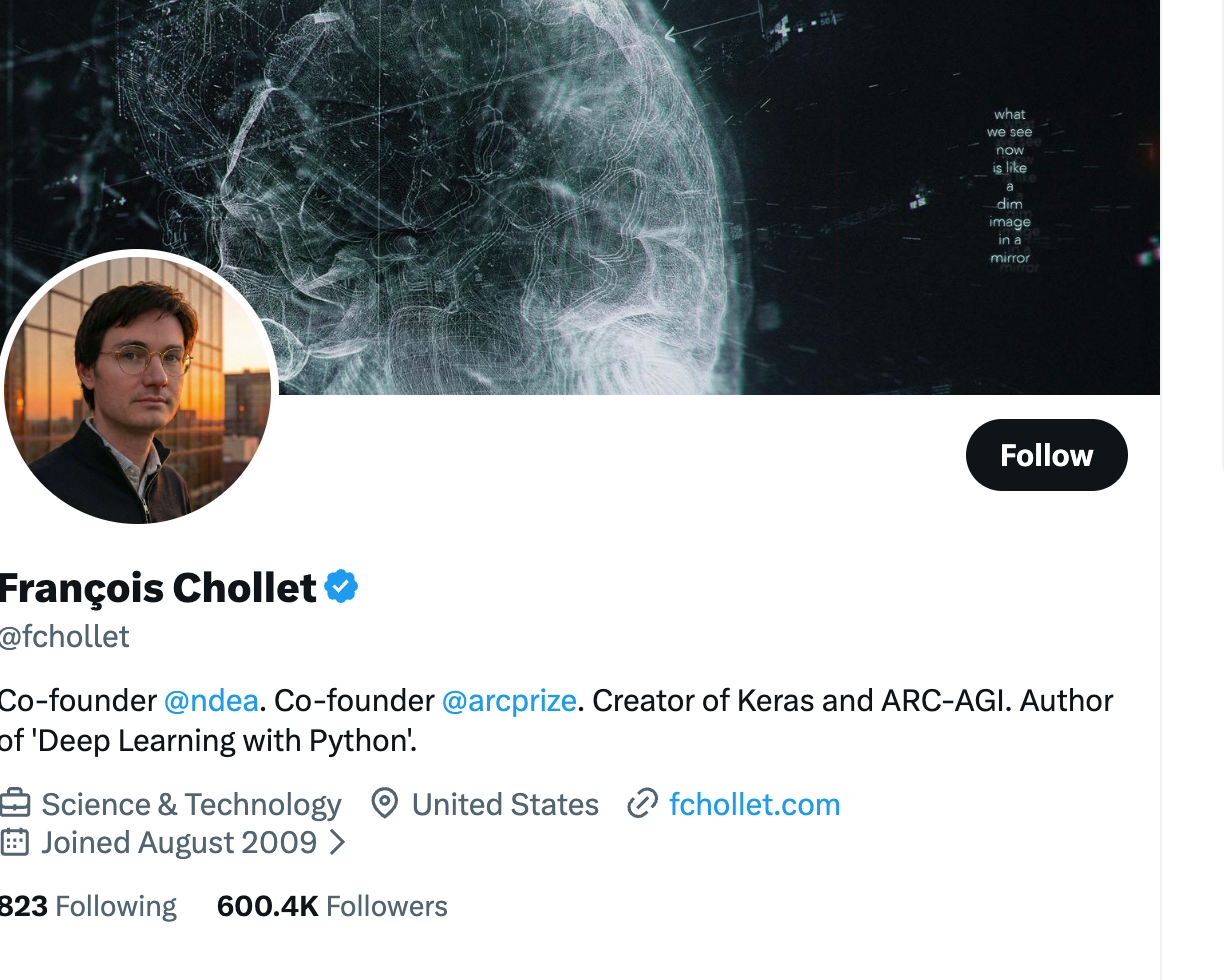
Creator of Keras, author of “Deep Learning with Python,” and co-founder of ARC Prize. He designed the ARC-AGI benchmark, which tests abstract reasoning in ways current LLMs struggle with. His posts focus on the limitations of current AI approaches and what genuine intelligence might require. A useful counterbalance to hype cycles.
Andrew Ng (@AndrewYNg)
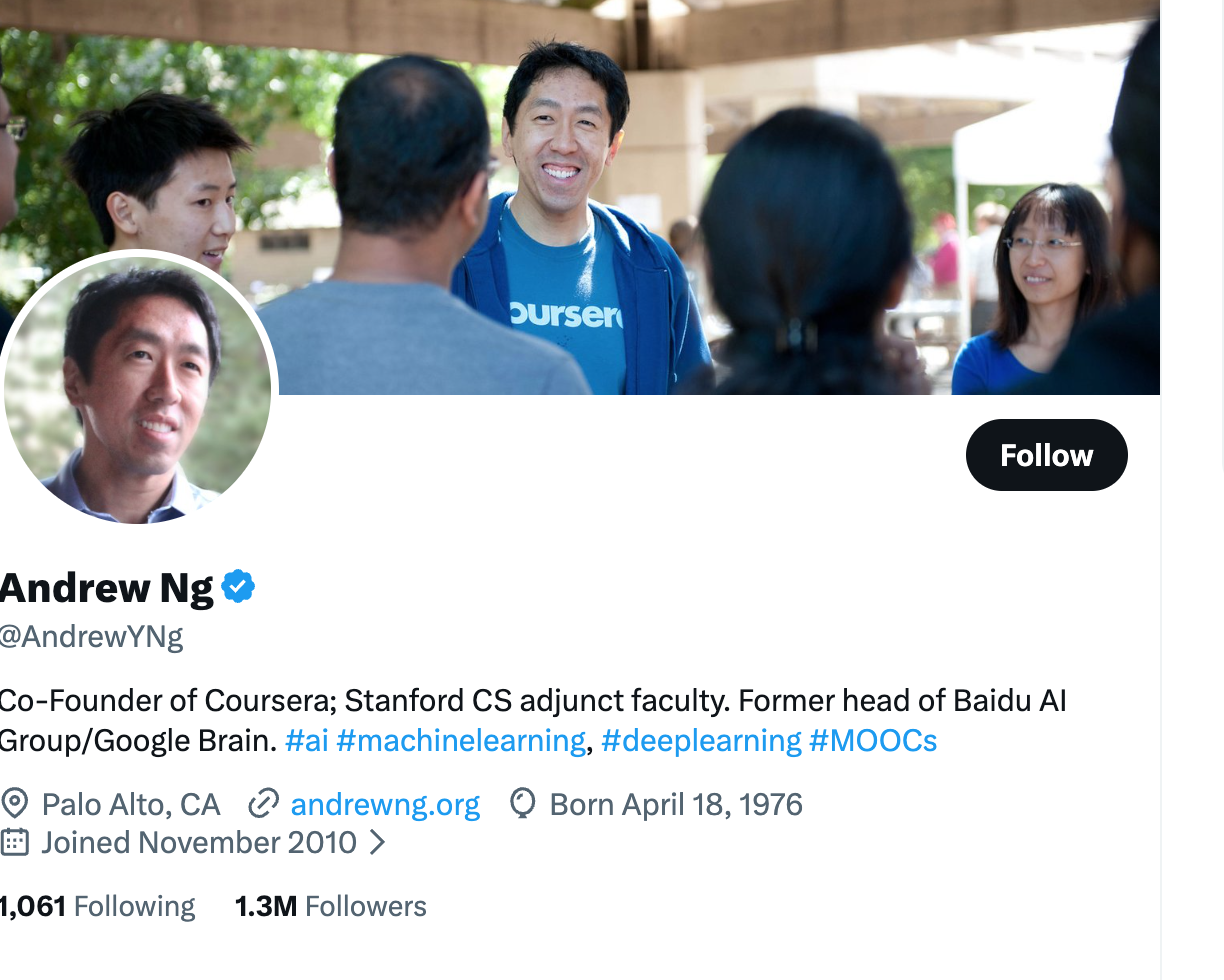
Co-founder of Google Brain, former Chief Scientist at Baidu, founder of DeepLearning.AI and Coursera. His posts focus on AI education and practical applications in industry. Less about cutting-edge research, more about making AI accessible to practitioners.
Jim Fan (@DrJimFan)
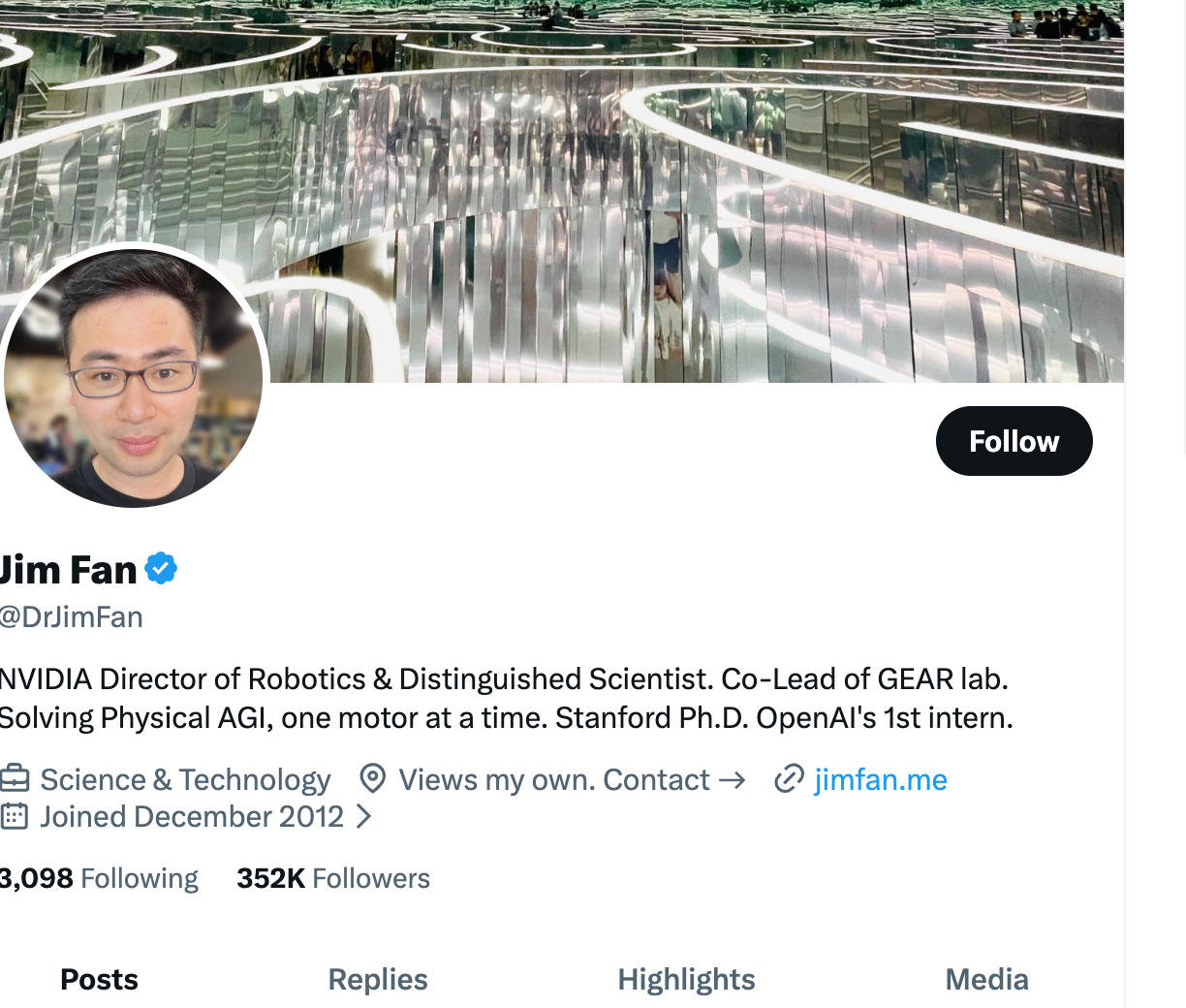
AI Research Scientist at NVIDIA. PhD from Stanford under Fei-Fei Li. His research focuses on generally capable autonomous agents—AI systems that can operate across different environments and tasks. Posts detailed threads on embodied AI, foundation models, and robotics.
AI Engineers & Builders
People building tools and products with AI, sharing practical implementation knowledge.
Simon Willison (@simonw)
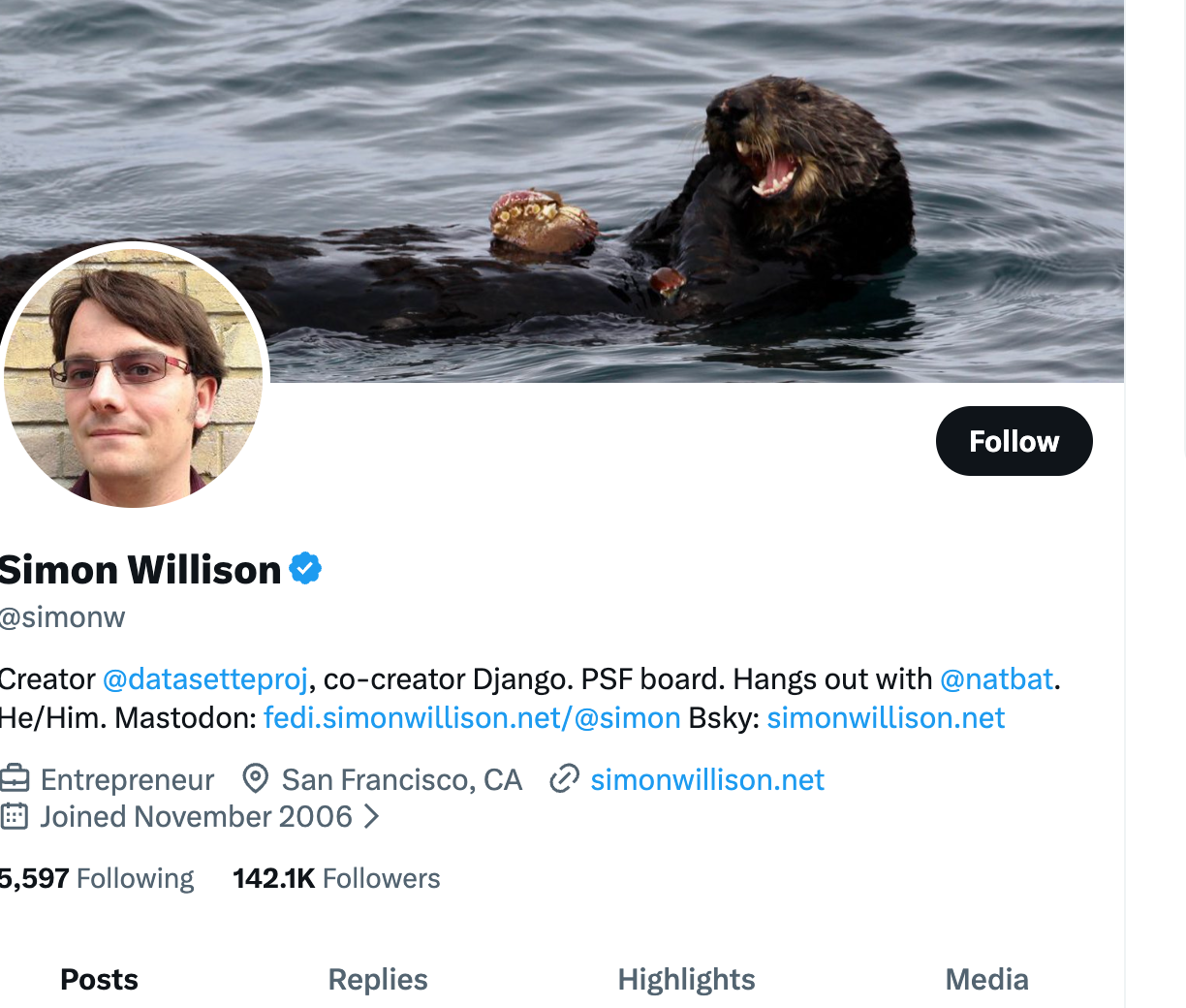
Creator of Datasette, co-creator of Django, and prolific blogger about LLM tooling. His posts document real experiments with AI tools—prompt engineering techniques, API quirks, and tooling recommendations. Particularly valuable for developers integrating LLMs into applications. He maintains a TIL (Today I Learned) site that’s become a reference for practical LLM usage. 142K followers.
Pieter Levels (@levelsio)
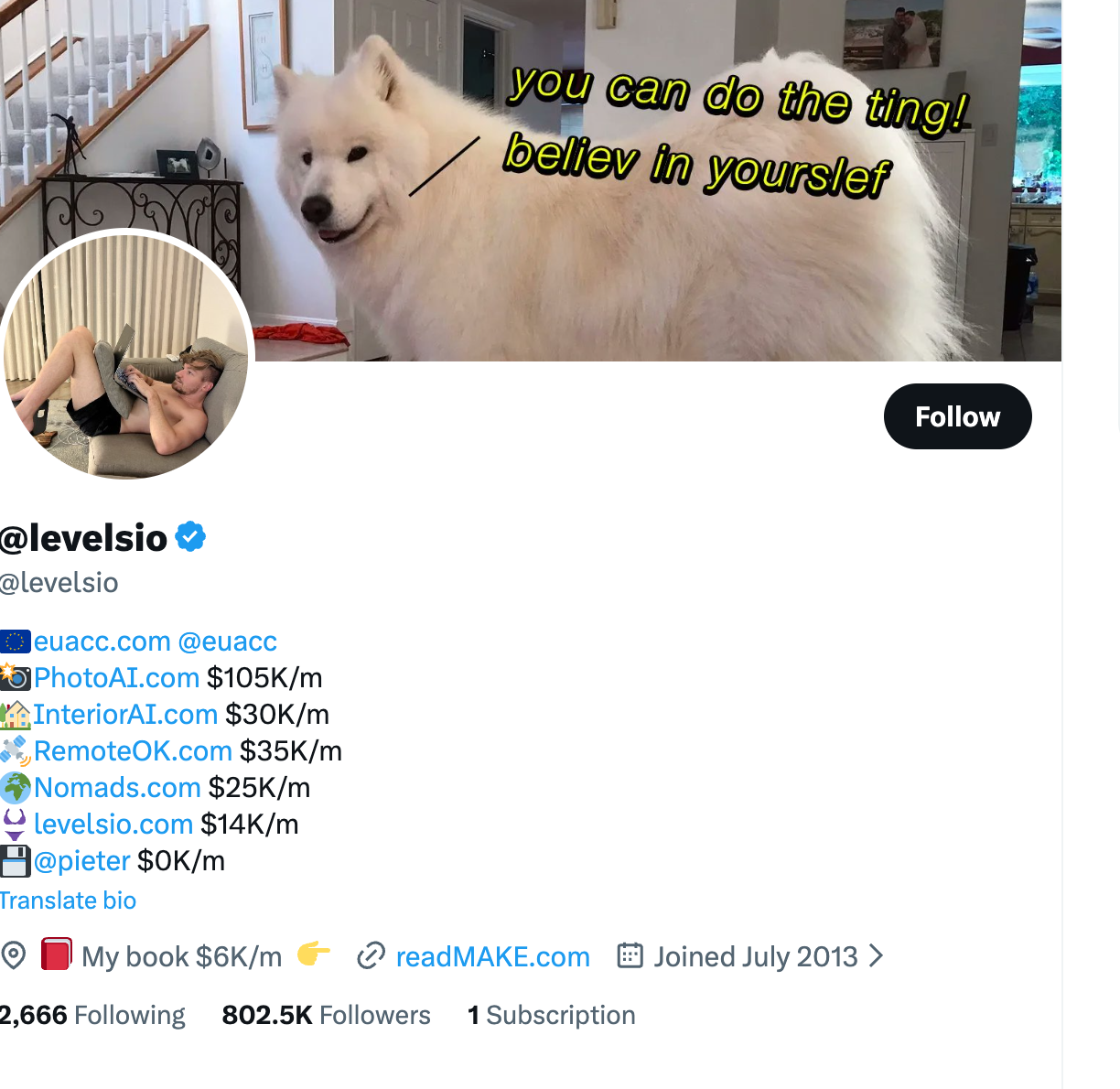
Indie hacker who builds profitable products solo. Known for Nomad List and Photo AI. His posts demonstrate how to ship AI-powered products quickly as a solo developer. Less about the research frontier, more about turning AI capabilities into functional businesses.
Swyx (@swyx)
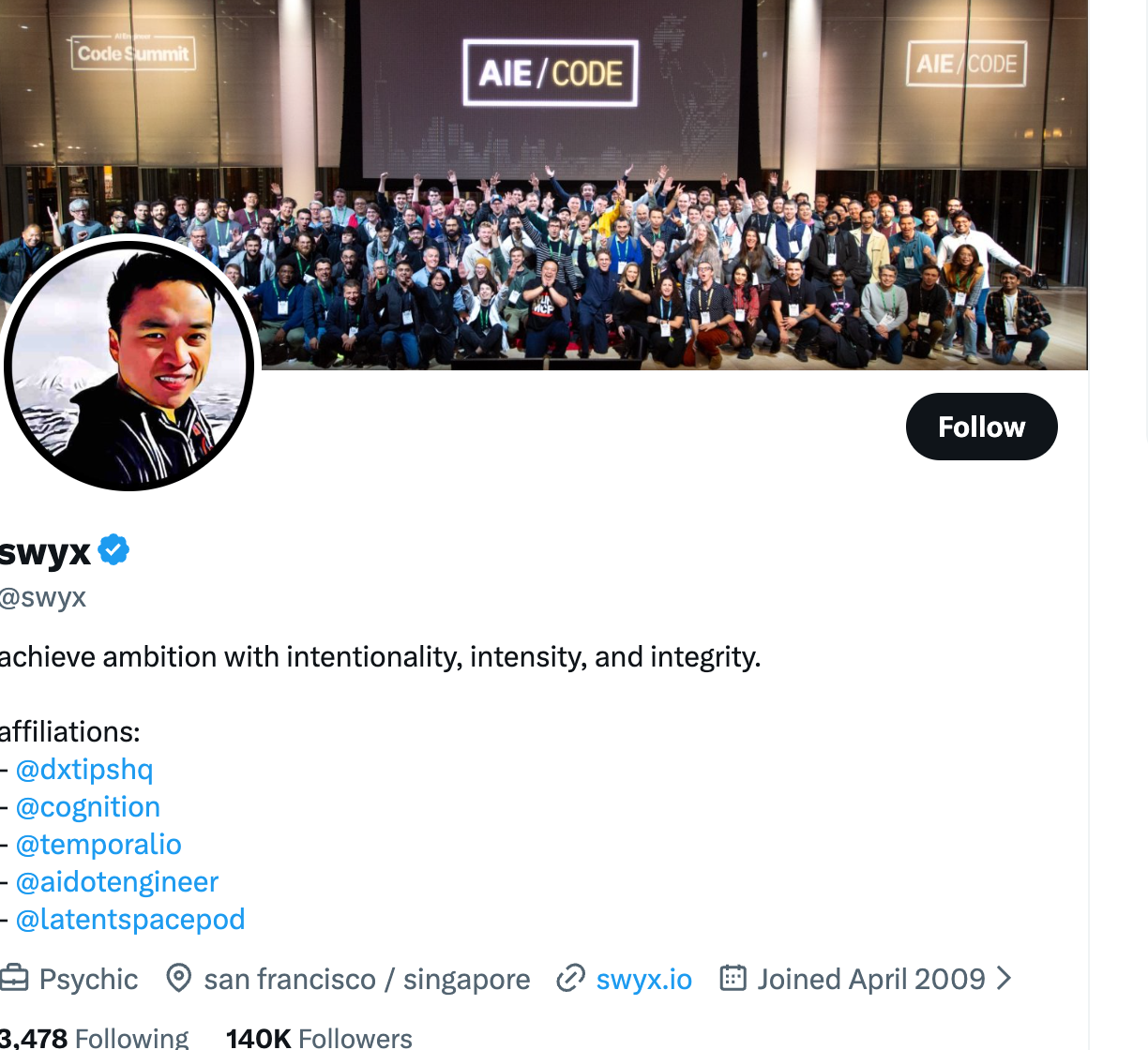
Shawn Wang, AI engineer and host of the Latent Space podcast. His posts synthesize news from across the AI ecosystem—model releases, paper summaries, industry analysis. The Latent Space podcast features interviews with AI researchers and engineers.
Tech Leaders with AI Focus
Established tech figures who’ve shifted focus to AI.
Lex Fridman (@lexfridman)
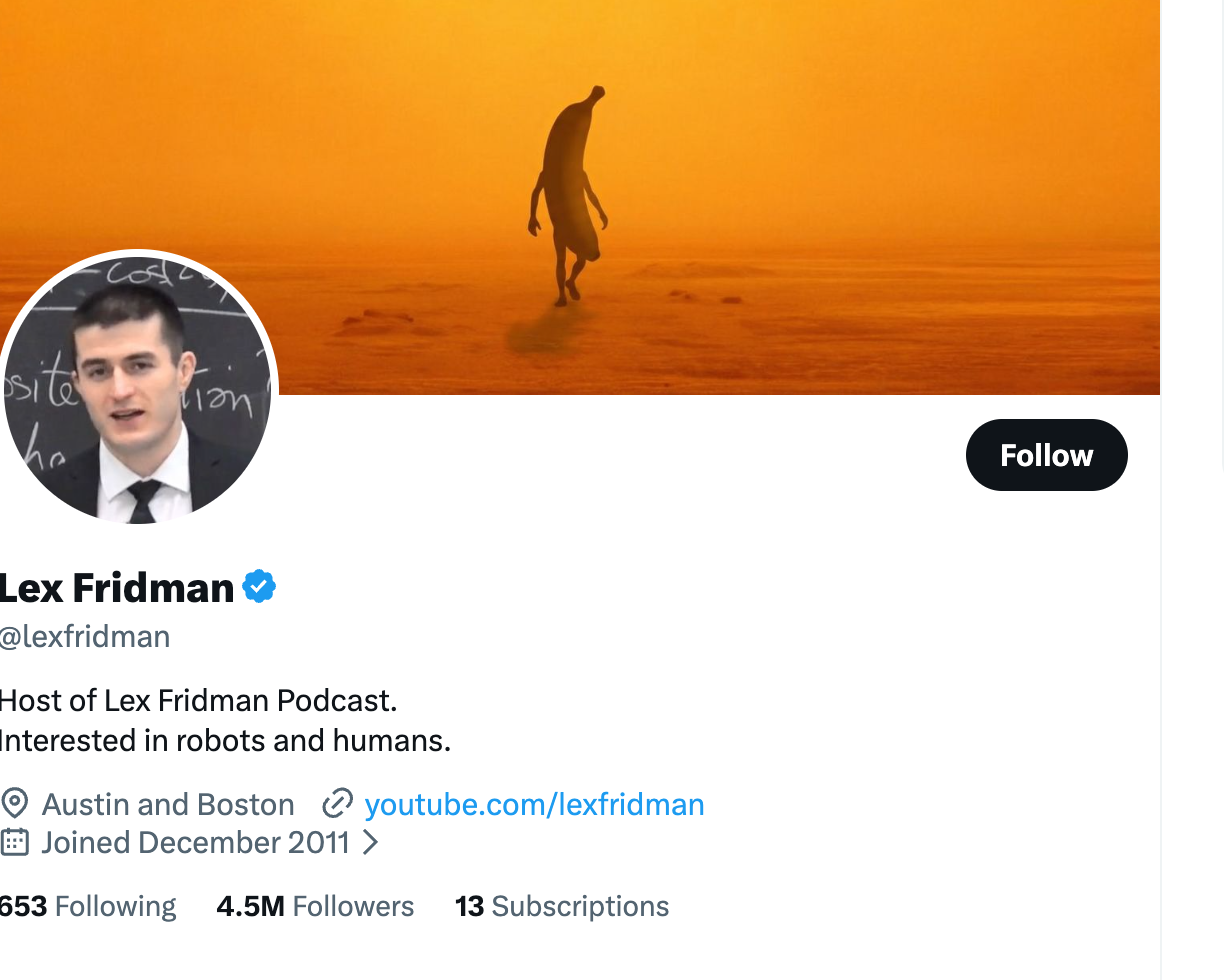
MIT researcher and host of the Lex Fridman Podcast. His long-form interviews with AI researchers (Altman, LeCun, Karpathy, Hassabis) are primary sources for understanding how these people think. The podcast episodes are often more substantive than anything the guests write themselves.
John Carmack (@ID_AA_Carmack)
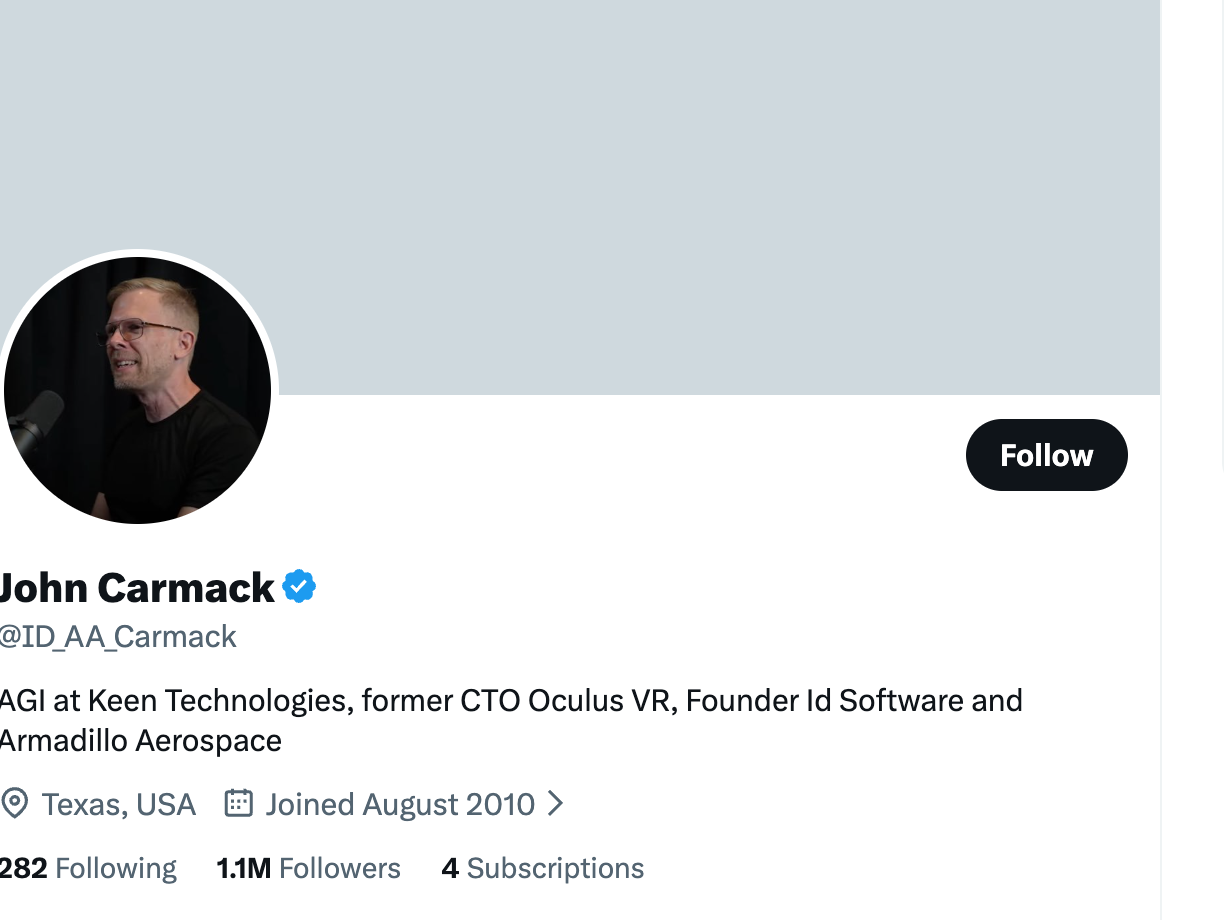
Legendary game programmer (Doom, Quake) now working on AGI. His posts apply decades of systems programming experience to AI. Valuable for his engineering perspective on what’s actually hard about building intelligent systems.
Kai-Fu Lee (@kaifulee)
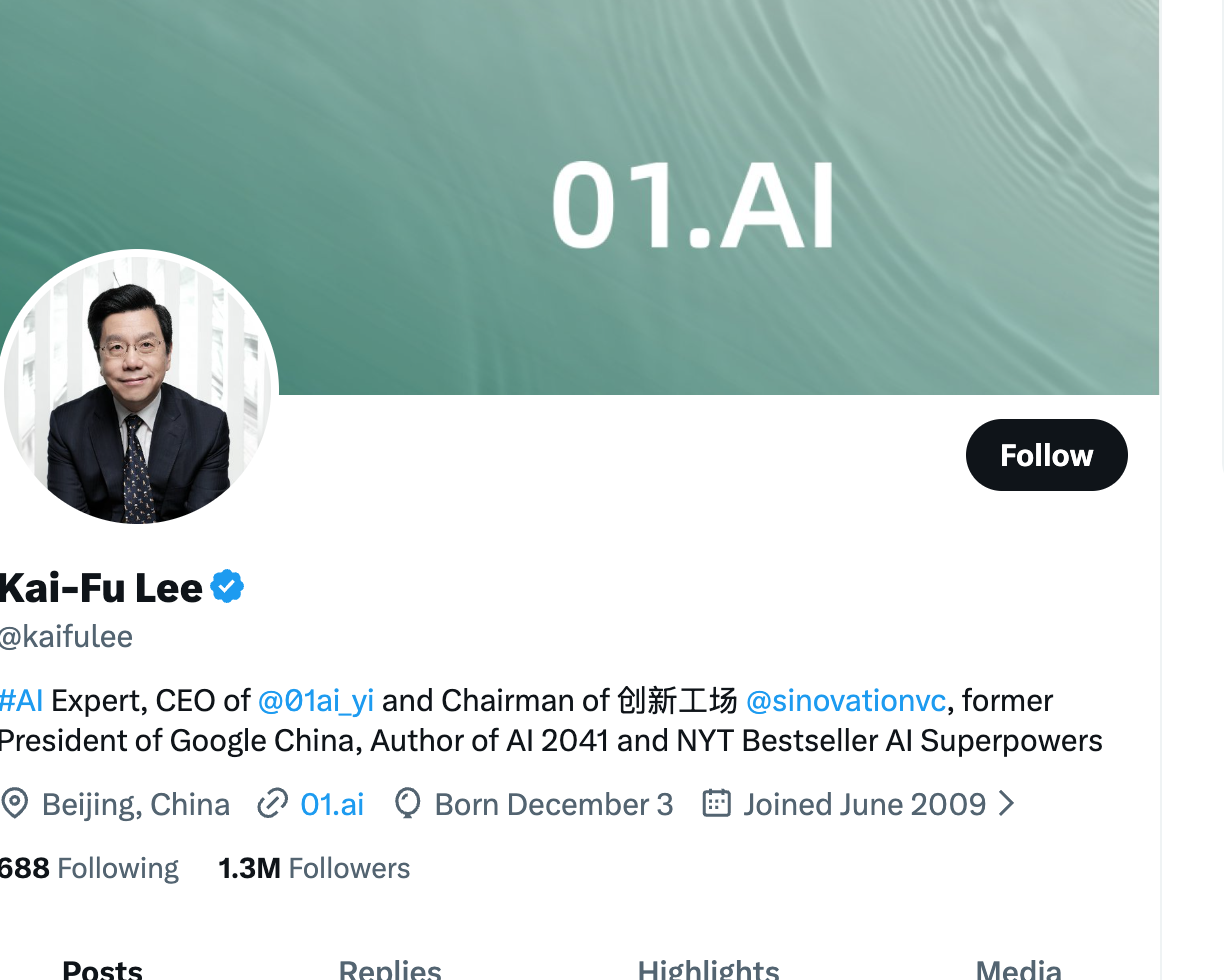
Former president of Google China, now running Sinovation Ventures. His posts cover AI developments in China and Asia more broadly—a perspective often missing from US-centric AI discourse.
How to Use This List
Following everyone creates noise. A more effective approach:
Start with 3-5 accounts that match your interest. If you’re a developer building with LLMs, start with Karpathy, Simon Willison, and Swyx. If you’re tracking AI strategy and policy, follow the lab leaders (Altman, Hassabis, Amodei).
Use Lists. X’s list feature lets you group accounts without following them. Create an “AI” list with these accounts and check it separately from your main feed.
Check replies. The most interesting content is often in reply threads where these people respond to each other. LeCun debating Altman about AGI timelines, Chollet challenging claims about LLM reasoning—these exchanges reveal positions that don’t appear in standalone posts.
Cross-reference with Bluesky. Several of these people (notably Chollet) have reduced X activity and moved to Bluesky. The AI conversation is increasingly split across platforms.
Key Takeaways
- Lab leaders (Altman, Hassabis, Amodei) provide strategic direction and product announcements
- Researchers (LeCun, Karpathy, Chollet) offer technical depth and contrarian perspectives
- Builders (Willison, Levels, Swyx) share practical implementation knowledge
- Karpathy is the best single follow for educational AI content
- LeCun is essential for skeptical takes on AI hype
- Simon Willison is the most useful for developers building with LLMs
- Use X Lists to manage signal-to-noise ratio
- Check replies for substantive debates between these accounts